Heck and Megna — Coding healthcare equity

Rachel Dorroh • December 13, 2023
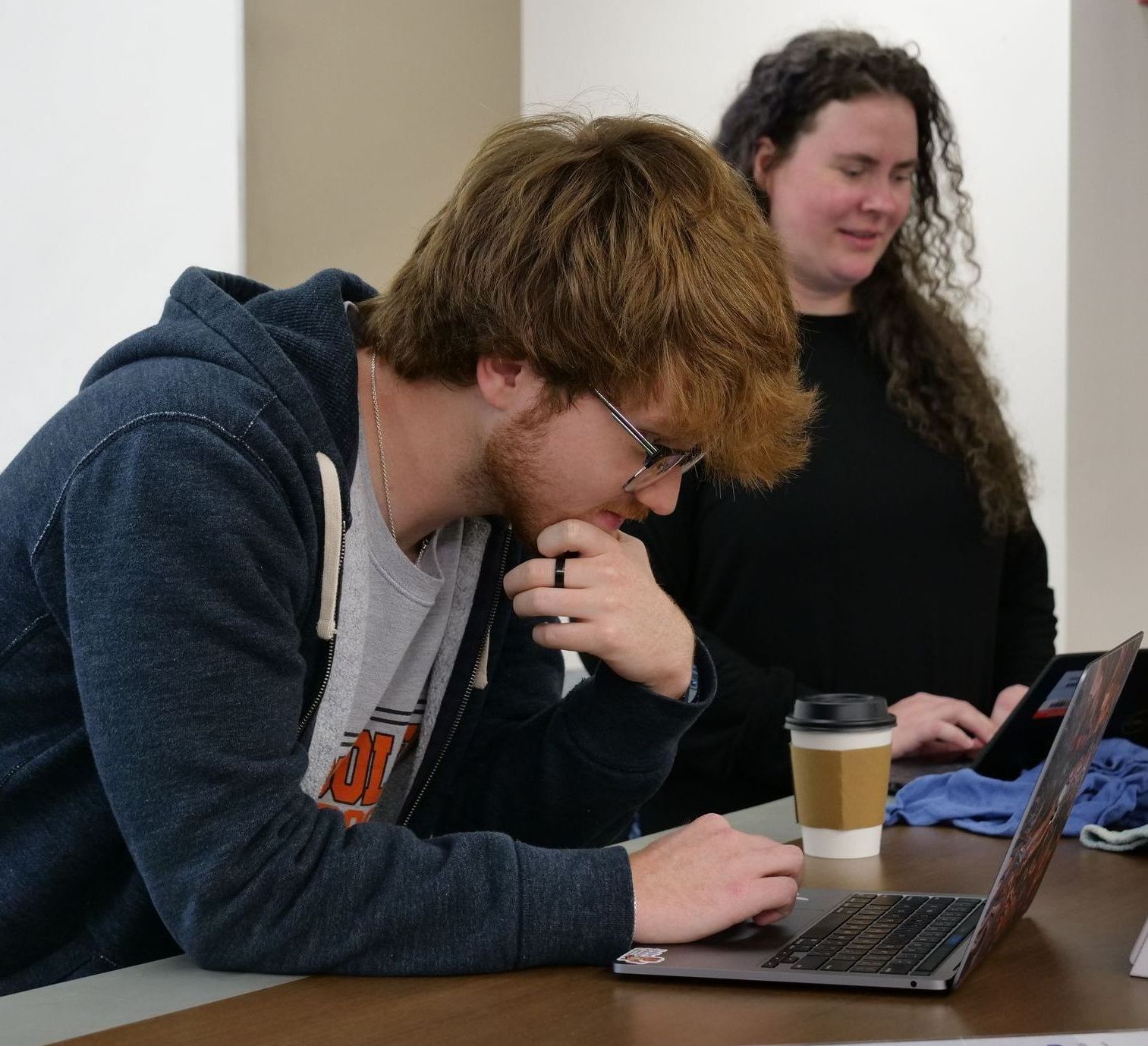
Ethan Heck and Libby Megna working on laptops.

Imagine you notice a spot on your skin that seems to be changing — it’s a little thicker now, with different colors along the edges, and it’s slightly painful. You want to get it checked out, but the closest dermatologist is over an hour away, is booked for months, and costs more than you can afford. 


Theoretically, a branch of artificial intelligence (AI) called machine learning could help. AI screening tools used in a telehealth setting or by a general health practitioner could make early detection of skin cancer much more accessible and affordable. This could save countless lives. So far though, the dermatologic images used to train the AI have been based almost exclusively on Caucasian skin.


“That’s a very big problem,” says recent Union College graduate, Ethan Heck. People of color are literally left out of the equation, he explains. “Even though the training results show that the model's accurate, when it’s deployed in the clinical setting, it's only accurate for Caucasian patients.”


(PHOTO: Ethan Heck and Libby Megna.)


This semester, Ethan decided to try to find a solution. Working with his mentor Libby Megna, he applied for and received a research grant from the Appalachian College Association’s (ACA) Ledford Scholars Program. His project, “Combatting Racial Bias in Skin Cancer Diagnosis using Machine Learning,” gave him a chance to dig deep into his newfound interests in biostatistics and coding while giving him a clear vision for how he could turn this passion into a service-oriented career.

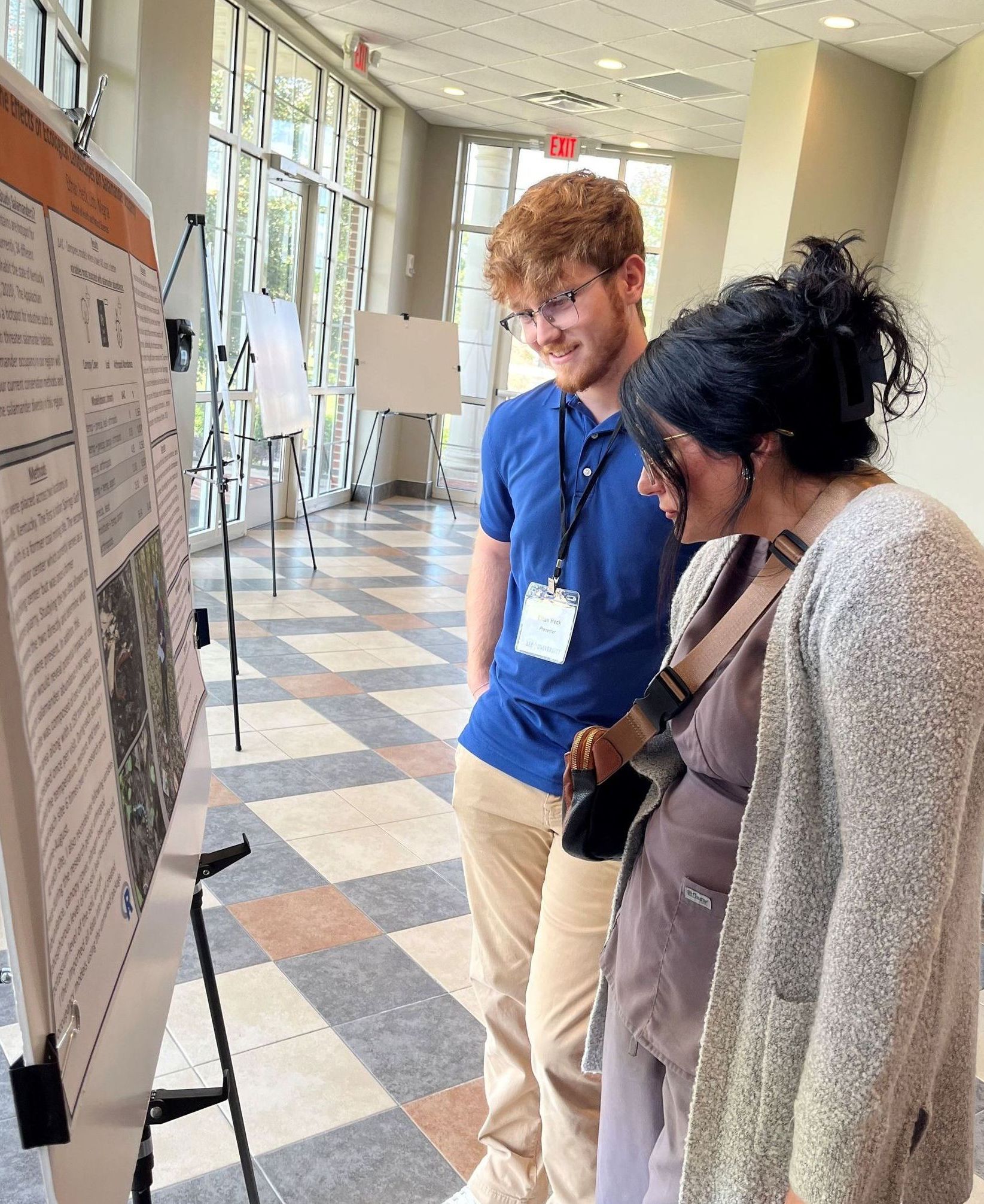
Ethan presenting a poster on his first Ledford Project.

I'm very impressed with Ethan,” says Libby. “He’s tackling this really hard problem. It's a real coding problem, and it's a real biology problem.”


Ethan first learned about statistical coding from Libby in 2022. He had newly switched his major from business to biology, and when Libby put out a call for applicants to Ledford’s undergraduate research program, he was eager to get involved. They pursued a project studying salamanders.


“I could tell his heart was not necessarily out where all the ticks and brambles are, but what he really, really got into was the programming and statistical aspect of it in the coding,” Libby says. 


Ethan completed the project and knew he wanted to build on that foundation to keep learning more. When Libby came across a report about Stanford University’s Diverse Dermatology Images (DDI) dataset, she thought of Ethan and shared it with him. They used this report as the basis for their second Ledford research project.


(PHOTO: Ethan presents his poster about the first Ledford Project at Lee University's McNair-Ledford Undergraduate Research Symposium this fall.)

“Once this dataset was published, it opened up the possibility to make new models that would be way more accurate on people of all skin tones, not just Caucasian people,” Ethan says. 


TheDDI is made up of 656 images of skin legions on patients with diverse skin colors. All diagnostic labels are confirmed by in-person evaluation as well as by the consensus of board-certified dermatologists. The DDI is publicly available, too, meaning that any dedicated programmer can work with it to try to make dermatological AI more equitable and inclusive. The task is to find the algorithm that can interpret the new data accurately.


“With image analysis and machine learning, there's all sorts of algorithms you can use,” Ethan explains. “Each one will perform better or worse than another based on what you're trying to use it for.”


Although machine learning was new to both Ethan and Libby, they dove into the project, driven by scientific curiosity. Throughout the semester, they met weekly to check in and troubleshoot.


“It was a lot of running into errors, trying to figure out what the errors mean, and then trying to fix the error, and then finding a new error,” Libby laughs.


This learning-by-doing process inspired Ethan to greatly expand his coding skills. He learned a coding language entirely new to him — Python — and improved fluency in the language he learned during the salamander project — R. He also learned the scientific typesetting language LaTeX, and delved into the machine learning packages, which Libby says is like learning another sort of dialect within the languages.


“It's really been fun to see Ethan come into his own as a programmer and get a bunch of knowledge under his belt and really increase his confidence,” Libby says.


As the weeks went on, Ethan realized the project would require more time than one semester. He was not able to get the result he had hoped for, but he is grateful for the experience and plans to keep working on it now that he has graduated and has a little free time before graduate school.


“It was a big effort, but I learned tons,” he says. 


Ethan’s dream is to work as a biostatistician for the CDC or the FDA one day, where he can use his passion for coding to serve public health.


“He found something he really wants to do, and there’s a job market for it. I’m so excited for him,” Libby says. “That’s really the whole job here at Union — helping students find their vocation.”


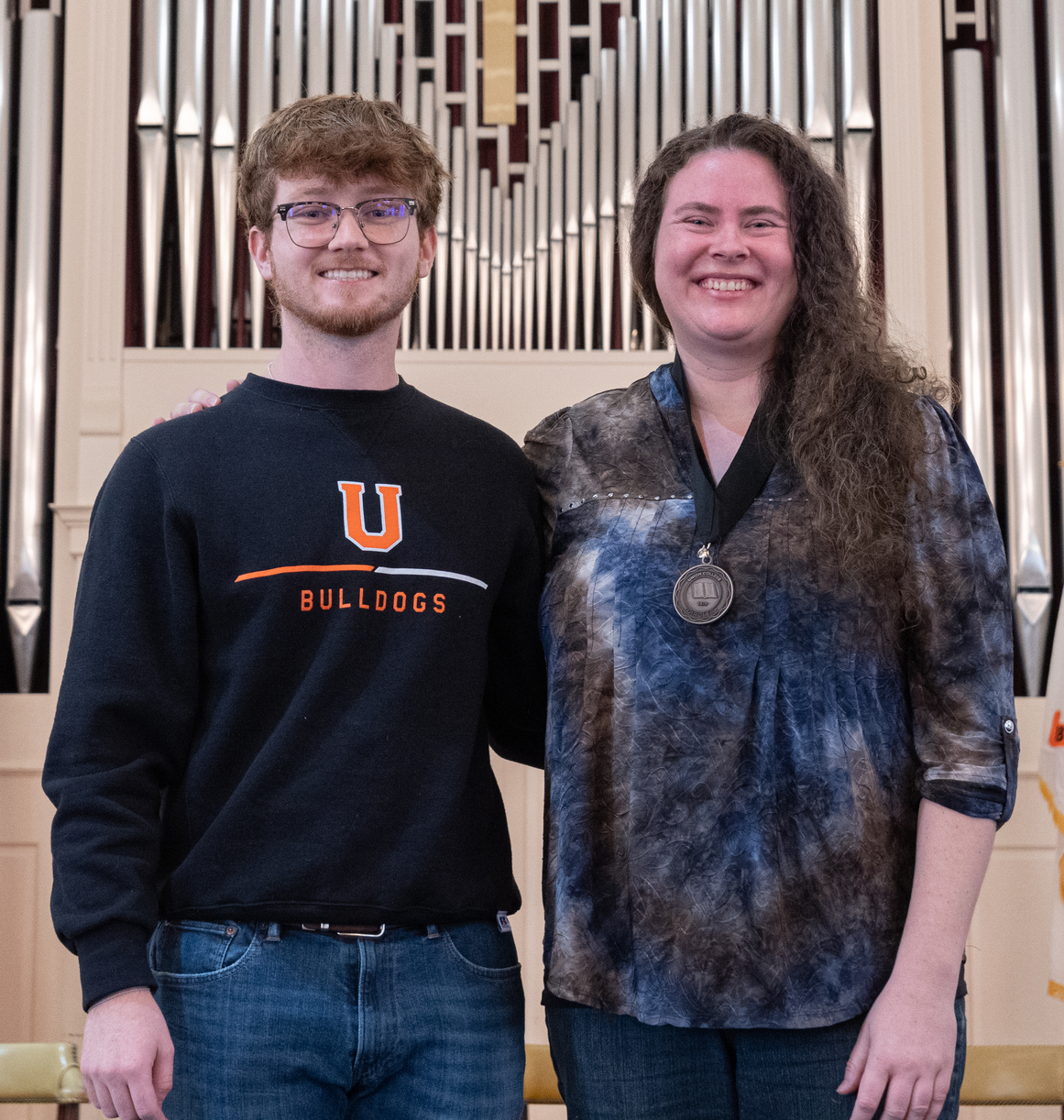
Upon graduating from Union last week, Ethan gave his CIRCLES medallion to Libby in recognition of the role she played in helping him forge his path. “She helped me get into research and ultimately figure out what I want to do with my career,” he says.


CIRCLES stands for Union’s key values of celebration, integrity, responsibility, civility, learning, engagement, and spirituality. Incoming freshmen receive the CIRCLES medallion as part of their welcome into the Union community. When they graduate, they give the medallion to the person they feel best represented those values and made a positive impact on them during their time at Union.

Ethan Heck and Libby Megna. Libby is wearing the CIRCLES medallion awarded by Ethan.

“Ethan’s done a great job,” Libby says. “This is novel research, and it takes time.”


“I'd like to thank the ACA for backing this research project,” Ethan says. “They gave me the chance to further my coding skills, and it's been a really great experience. Thanks to Libby for working with me; this was brand new to both of us, but she decided to jump into it. And thank you, Union College.”


“I will continue to work on this project,” Ethan continues. “My goal is to try to create a model that can accurately diagnose skin cancer in people of all skin tones.”


Union College is a private, liberal arts-based institution with a student-faculty ratio of 15 to 1. Small classes and the ability to work closely with faculty and staff provide students with a personal, individualized education aimed at helping them discover their passion, their purpose, and their path.


To learn more about Ethan’s work see Ethan Heck (google.com). To learn more about Libby’s work, see Libby Megna | Birds are rad, evolution is rad.  To learn more about the Ledford Scholars program, see Ledford Scholars • Appalachian College Association (acaweb.org).


By Maisie Nelson April 2, 2026
Union Commonwealth University strengthened its commitment to Barbourville and Knox County throughout the month of March, engaging students, families, and community partners through a series of initiatives centered on service, access, and meaningful connection.
photo of Karen Kelly with white background
By Maisie Nelson March 31, 2026
Union Commonwealth University (UCU) is pleased to announce alumna Karen Kelly as the commencement speaker for its May 2026 graduation ceremony.
The cast of Group Therapy: The Musical standing in a line on stage during rehearsal.
By David Saylor March 25, 2026
Shared vulnerability and musical storytelling take center stage in Union Commonwealth University (UCU) Theatre’s spring production of “Group Therapy: The Musical,” a semi-immersive work that brings audiences into a space of honesty, connection, and care.
By Maisie Nelson March 19, 2026
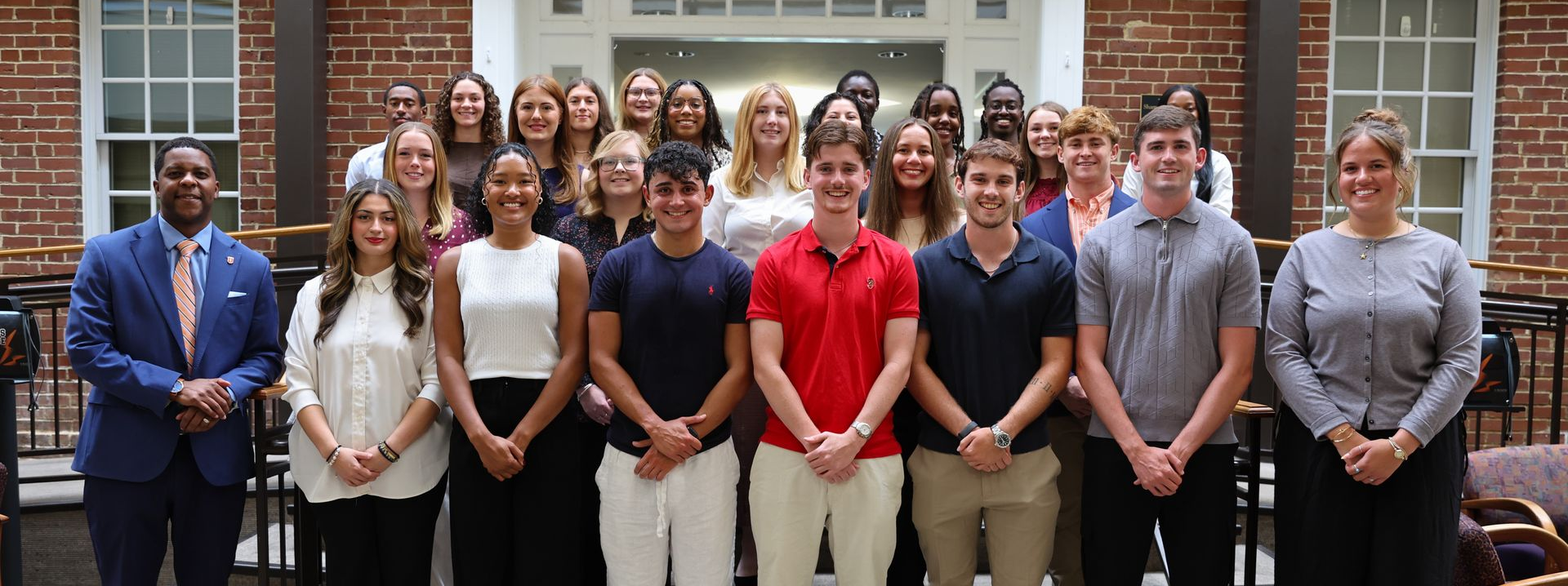
Union Commonwealth University (UCU) has announced the inaugural cohort of its Presidential Fellows Program, a new leadership initiative designed to prepare students for success through mentorship, career development, and hands-on professional experience.
Dr. Yukiko Fujimura on stage in Conway Boatman Chapel with her UCU piano class.
By David Saylor March 12, 2026
After a successful debut last year, the Southeastern Kentucky Piano Festival is returning bigger and better to Union Commonwealth University (UCU).
By Dr. Joseph Pearson March 7, 2026
Scholars, writers, and teachers from across the region gathered in the mountains of Southeast Kentucky this week as Union Commonwealth University (UCU) hosted the 54th Annual Kentucky Philological Association Conference.
Faculty audience at the State of Union Town Hall.
By David Saylor March 4, 2026
On February 25, 2026, Union Commonwealth University hosted its State of Union Town Hall, bringing together faculty and staff in two dedicated sessions at Conway Boatman Chapel to discuss the university’s financial realities, strategic direction, and long-term sustainability.
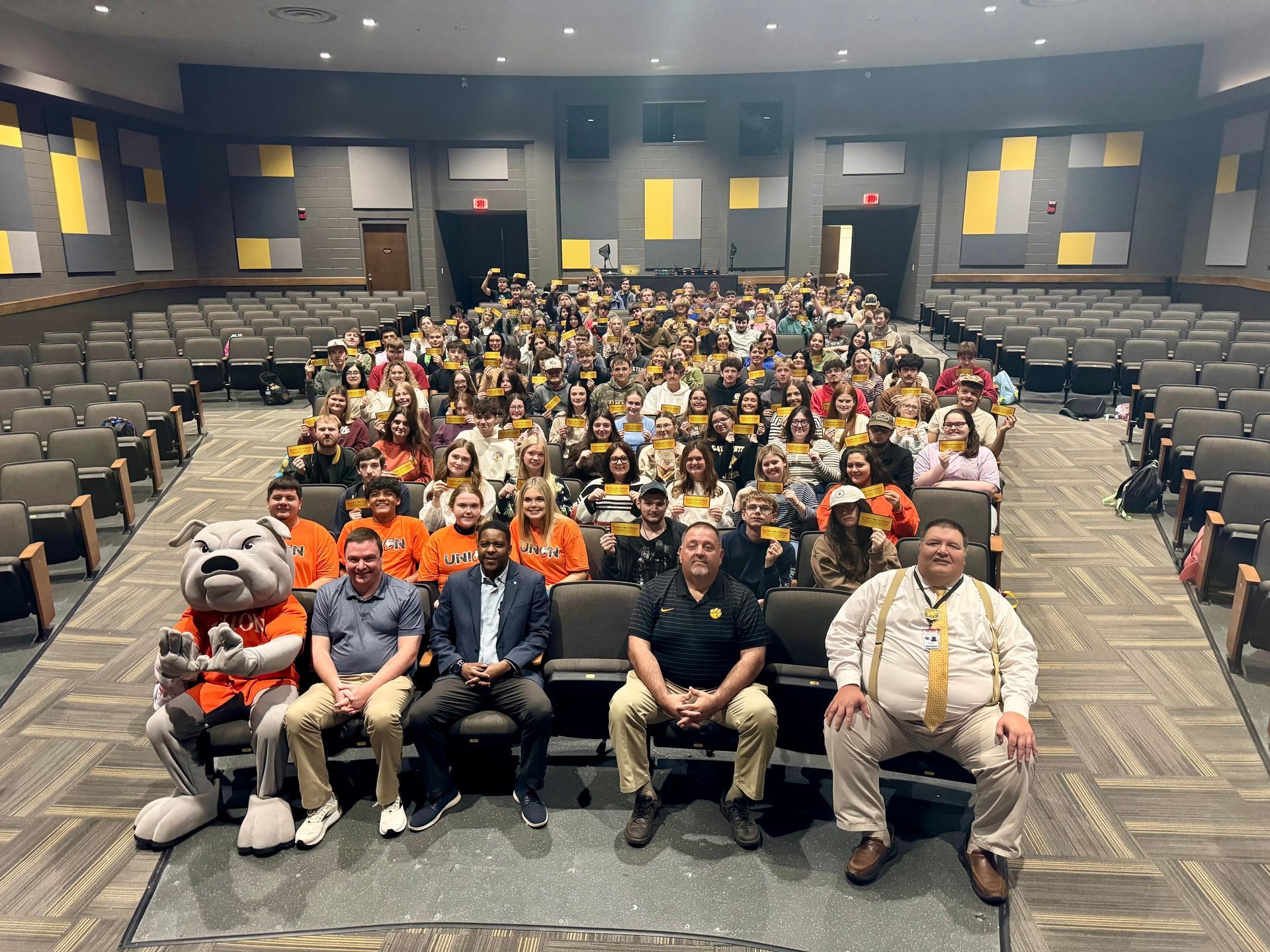
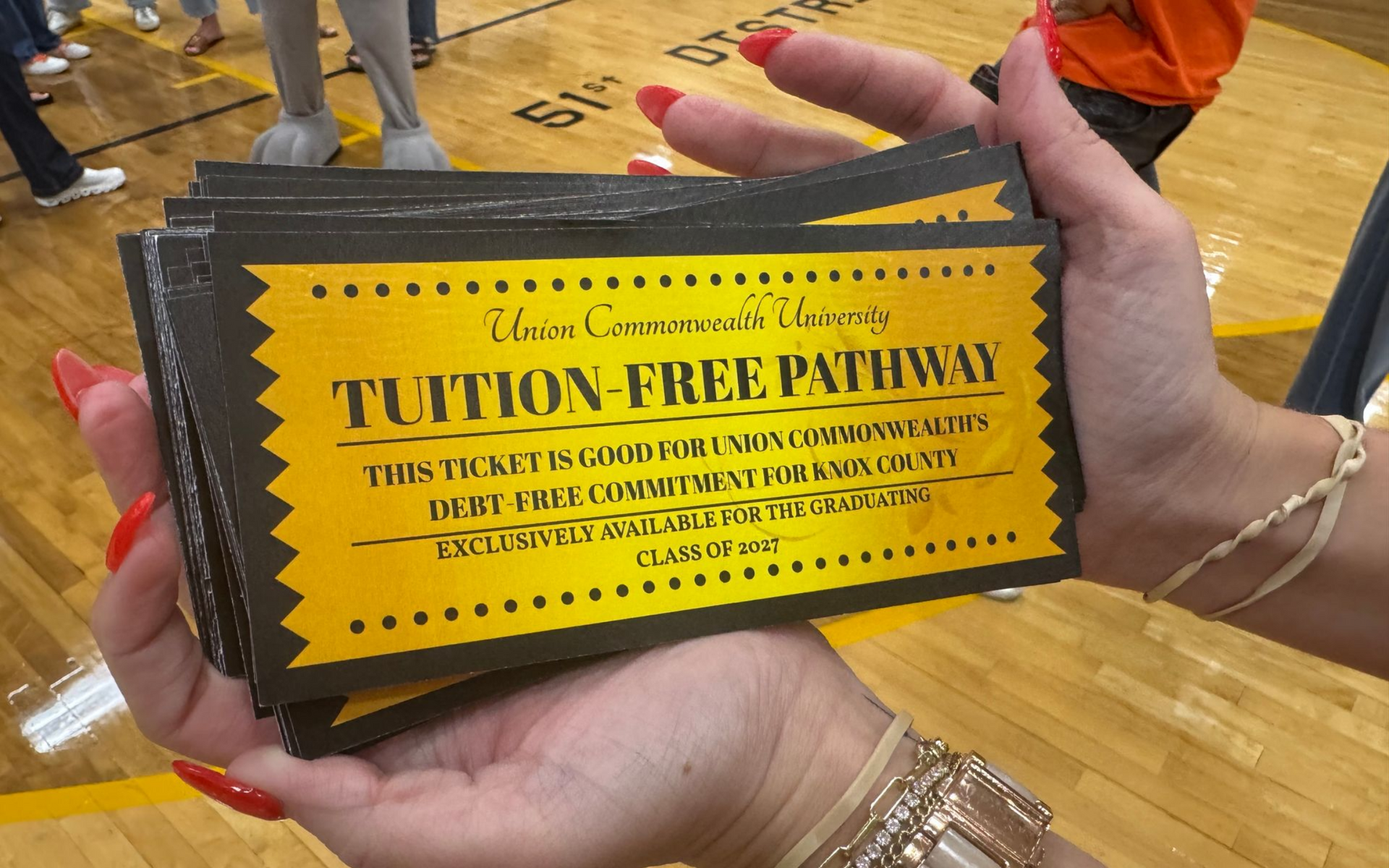
Knox Central  seniors pose after free tuition announcement
By Maisie Nelson February 25, 2026
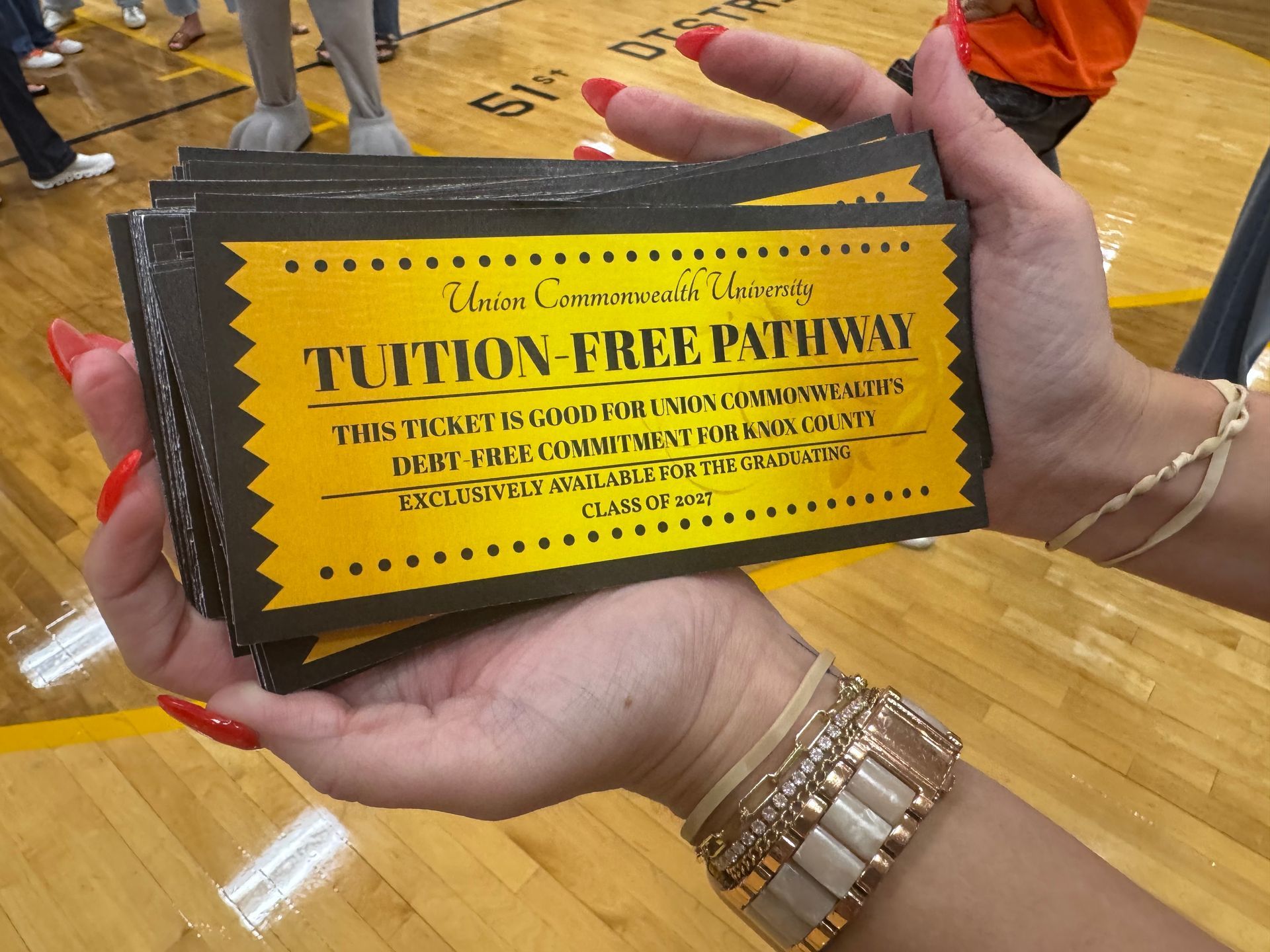
Union Commonwealth University will host its first annual Registration Day exclusively for seniors from Barbourville Independent High School, Knox Central High School, Lynn Camp High School, and local homeschool students on March 21 from 9 a.m. to 3 p.m., giving area students a jump start on their college journey.
photo from the stage looking out at decorated tables
By Maisie Nelson February 16, 2026
UCU has announced the 2026 class of honorees for The Mackies, the university’s Athletic Hall of Fame and annual athletics awards ceremony. The event will be held Saturday, April 18, 2026, at 6:30 p.m. in Robsion Arena.
Conway Boatman Chapel.
By David Saylor February 13, 2026
Beginning this Sunday, Union will reintroduce voluntary chapel services for students, faculty, staff, and community members; providing opportunities for worship and spiritual exploration.